

【Success Story】Wide-Input DC-DC Converter for Energy Storage Systems
Industry: Energy Storage
Application: Battery Energy Storage System (BESS)
Power Solution: RSDH-150 Series
A BESS for stores electrical energy and releases it as needed to improve stability, efficiency, and reliability.
In a MWh energy storage system, battery voltage levels may range from 400Vdc for small commercial applications to 800Vdc for data centers, or up to 1500Vdc for utility-scale projects. The system absorbs excess energy during low-demand periods or high renewable generation, then discharges it back to the grid during peak demand or disturbance events, supporting peak shaving, load shifting, renewable integration, frequency regulation, and backup power.
In addition to the battery packs themselves, the system depends on a wide range of auxiliary electronics, including battery management systems (BMS), control boards, protection circuits, communication modules, and cooling system controllers, all of which require stable low-voltage power even though the main battery bus operates at very high DC voltage.
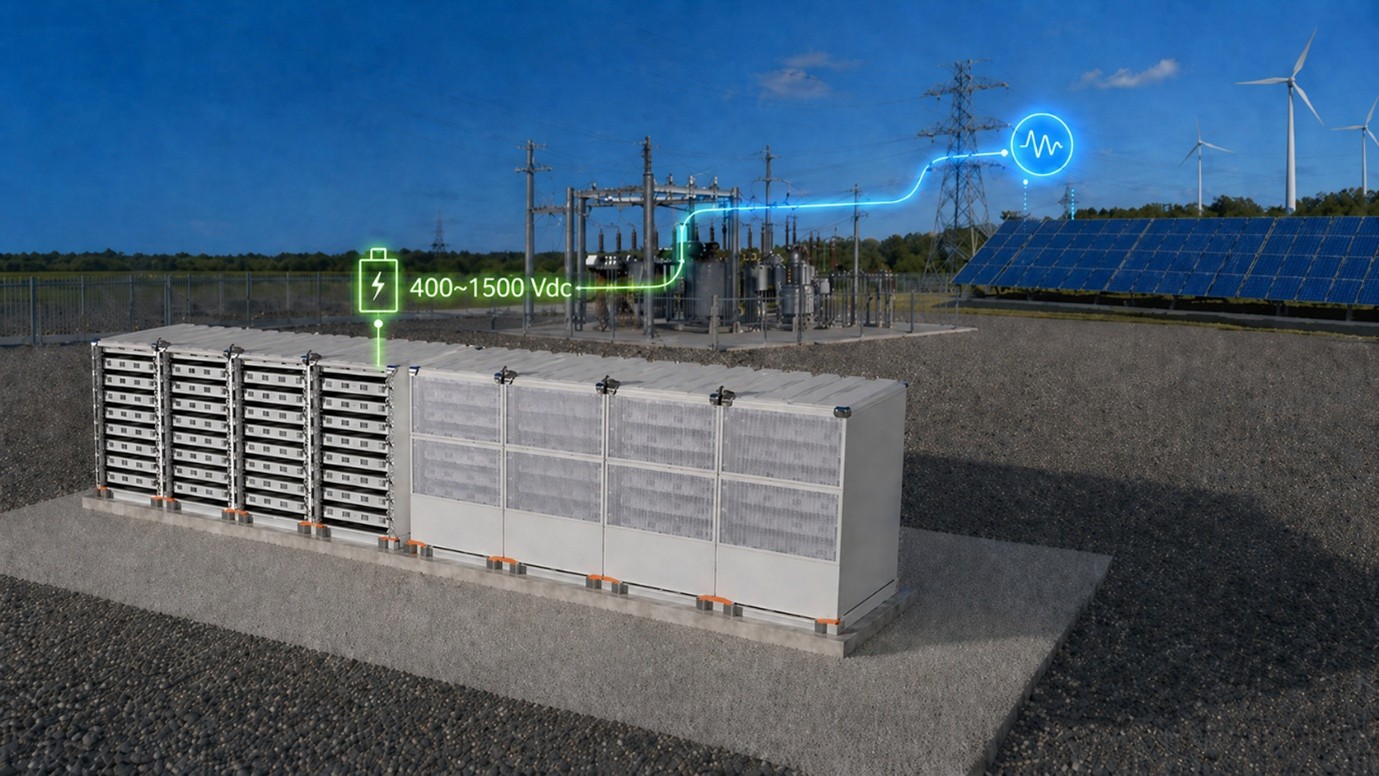
To meet this requirement, MEAN WELL RSDH series provides an ideal auxiliary power solution for ESS applications. With its ultra-wide high-voltage DC input range from 250~1500VDC, the RSDH series can directly draw power from the high-voltage battery bus and efficiently step it down to low-voltage outputs for critical system electronics. This makes it especially suitable for powering the control boards used to manage the battery system and cooling system inside large-scale energy storage cabinets.
By using the RSDH series, system designers can simplify the power architecture, reduce the need for extra conversion stages, and improve overall system reliability.
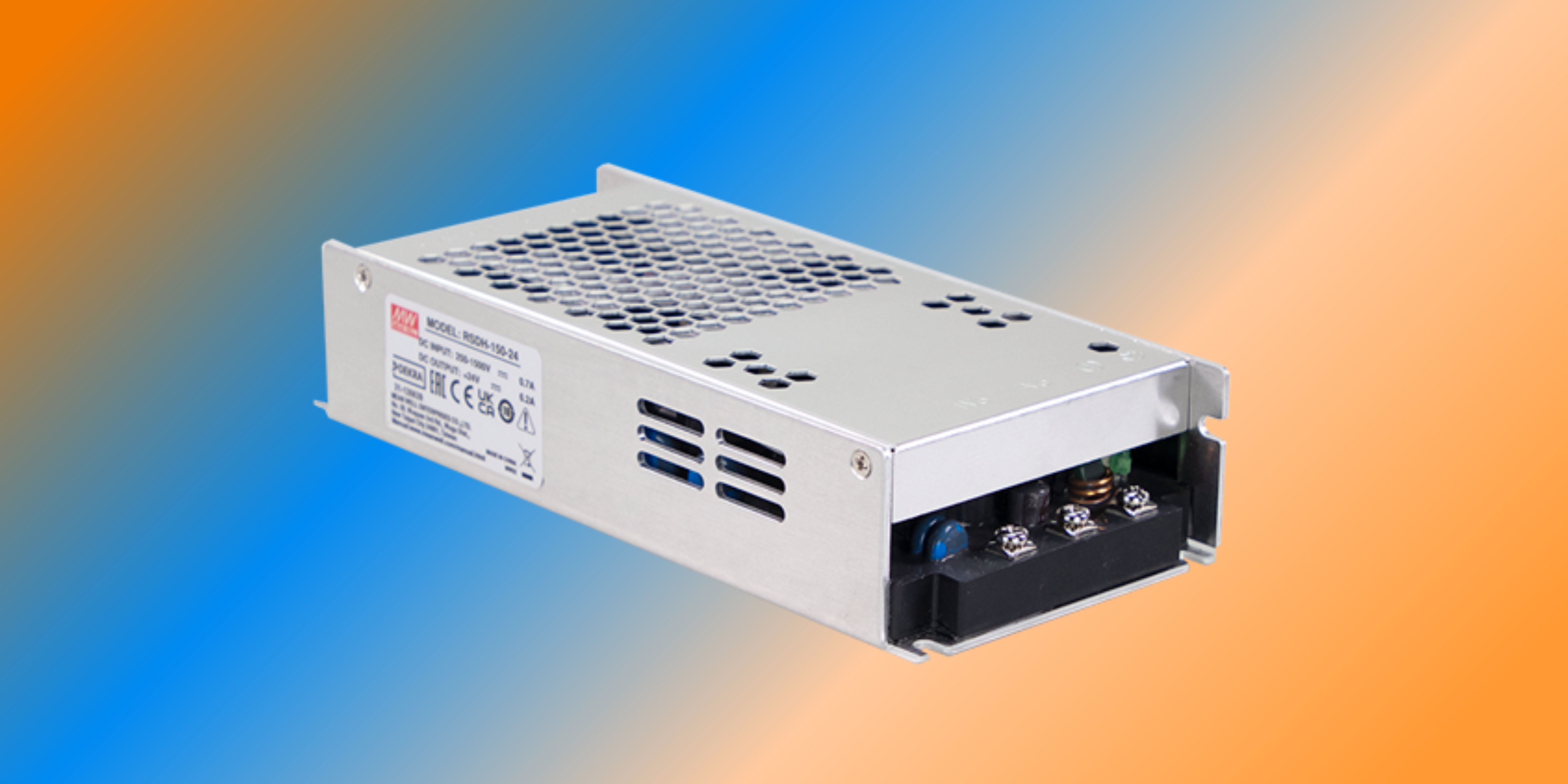
In summary, for a MWh grid battery energy storage system, stable auxiliary power is essential for safe and reliable operation of the control and thermal management systems. The MEAN WELL RSDH series is a strong solution because it can accept 250~1500VDC high input voltage directly and convert it into the low-voltage power needed for control boards, BMS, and cooling system electronics. This helps create a simpler, more reliable, and more efficient ESS design.